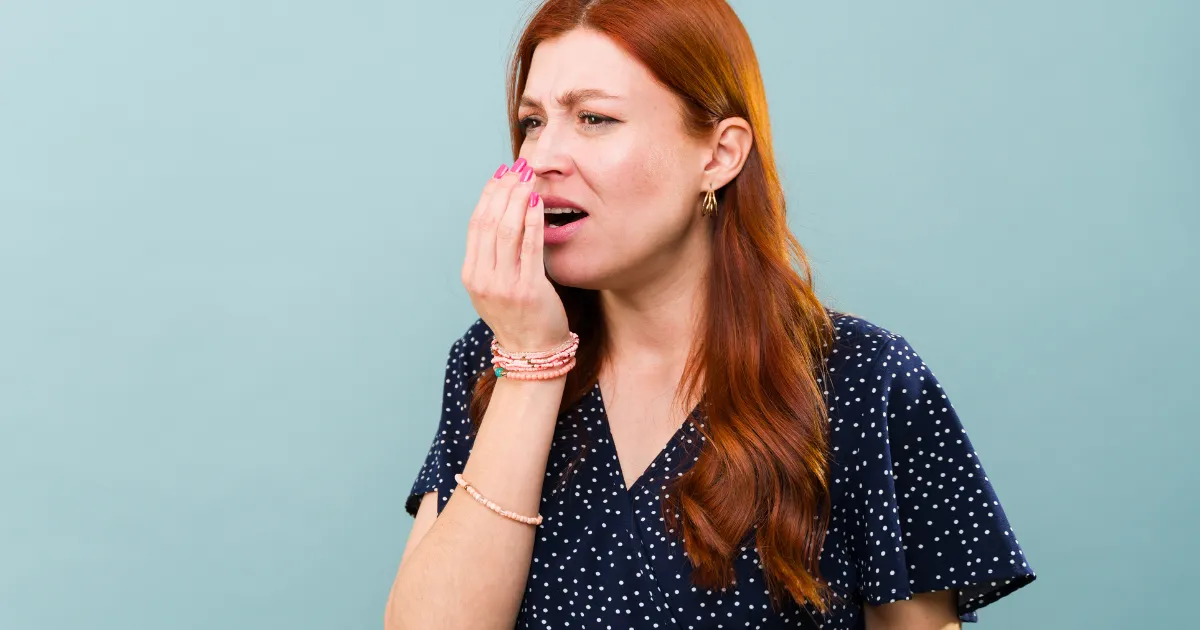

Woman Checking Bad Breath
By Dr. Lars Johnson / General Dentistry / 0 Comments

Bad breath is one of those issues people are often aware of but rarely comfortable talking about. It can feel embarrassing, even when oral hygiene seems solid. Many patients try mints, gum, or mouthwash without lasting success. For anyone looking for a dentist in Hoffman Estates, understanding the real causes of bad breath is often the first step toward fixing it instead of covering it up.

Why bad breath is becoming more relevant to dental patients

Bad breath is being discussed more openly as people pay closer attention to overall health and social confidence. Masking habits from the past few years also made many people more aware of their own breath, sometimes for the first time.

Diet has changed as well. High protein foods, frequent snacking, and coffee consumption all influence odor in the mouth. Dry mouth, whether from stress, medications, or dehydration, has also become more common and plays a major role in persistent bad breath.

What most people misunderstand or overlook about bad breath

A common misconception is that bad breath always comes from what you eat. While foods like garlic and onions can cause temporary odor, chronic bad breath usually has a different source. In many cases, it comes from bacteria accumulating in areas that brushing alone does not reach.

Another overlooked factor is the tongue. Bacteria collect easily on the tongue’s surface, especially toward the back. If tongue cleaning is skipped, odor causing compounds remain even with regular brushing and flossing.

People also assume mouthwash solves the problem. Many rinses only mask odor temporarily and may worsen dry mouth, which can actually intensify bad breath over time.

How bad breath affects comfort, confidence, and long term oral health

Bad breath affects more than social interactions. It often signals an imbalance in oral bacteria or early gum issues. When bacteria build up along the gumline or between teeth, odor is often one of the first noticeable symptoms.

Over time, the same conditions that cause bad breath can lead to gum inflammation and periodontal disease. What starts as an odor issue can become a health concern if the underlying cause is ignored.

Comfort matters too. Dry mouth, a frequent contributor to bad breath, can increase sensitivity, raise cavity risk, and make the mouth feel persistently uncomfortable.

The role of a dentist in Hoffman Estates when evaluating bad breath

A dentist in Hoffman Estates looks beyond surface symptoms to identify why bad breath is happening. This includes evaluating gum health, plaque buildup, saliva flow, and areas that are difficult to clean at home.

Sometimes the cause is purely oral. Other times, it is related to habits, medications, or health conditions that affect saliva and bacteria balance. Identifying the source makes treatment more effective and long lasting.

What this means for someone choosing a dentist in Hoffman Estates

If bad breath has been persistent despite good hygiene, choosing a dentist in Hoffman Estates who takes the concern seriously is important. It is not just a cosmetic issue. It is often useful information about what is happening in your mouth.

At Forest Edge Dental, bad breath is addressed without judgment and with clear explanations. Patients are guided through possible causes and practical solutions that fit their daily routine. That approach helps resolve the issue instead of repeatedly masking it.

Many patients feel relief learning that bad breath is common, treatable, and often linked to fixable habits or conditions.

Final takeaway and next step

Bad breath usually has a cause, and it is rarely just about food or hygiene effort. Bacteria, dry mouth, and gum health all play a role. Addressing the source is the key to lasting improvement.

If bad breath has been ongoing or concerning, scheduling a visit with Forest Edge Dental in Hoffman Estates is a simple next step toward understanding what is causing it and how to address it effectively.

Hands Cradling Fake Tooth
By Dr. Lars Johnson / General Dentistry / 0 Comments

A cracked tooth is not always obvious right away. Sometimes it shows up as a sharp pain when biting. Other times it feels like an intermittent ache that comes and goes without warning. Because symptoms can be inconsistent, many people delay getting it checked. For anyone searching for a dentist in Hoffman Estates, cracked tooth treatment often becomes a priority once discomfort starts interfering with everyday eating or drinking.

Why cracked teeth are becoming more relevant to dental patients

Cracked teeth are more common than most people realize. Teeth today are exposed to more stress over a longer lifetime. Clenching and grinding, often related to stress, puts repeated pressure on enamel. Hard foods, ice chewing, and sudden temperature changes also contribute to microscopic fractures that can grow over time.

Dental restorations play a role as well. Large fillings can weaken the remaining tooth structure, making it more vulnerable to cracking years later. As patients keep their natural teeth longer, managing these accumulated stresses becomes increasingly important.

What most people misunderstand or overlook about cracked teeth

One common misconception is that a cracked tooth will always cause constant pain. In reality, cracked teeth often cause inconsistent symptoms. Pain may only appear when biting a certain way or when exposed to hot or cold temperatures. This inconsistency leads many people to wait longer than they should.

Another misunderstanding is assuming a crack is visible. Many cracks cannot be seen without magnification or imaging. A tooth can look intact while still having a fracture that affects its internal structure.

It is also easy to overlook how quickly a crack can worsen. What begins as a minor fracture can spread deeper into the tooth, eventually reaching the nerve or splitting the tooth entirely.

How cracked teeth affect comfort, outcomes, and long term oral health

From a comfort standpoint, cracked teeth can make chewing unpredictable and uncomfortable. Patients often change how they eat, favoring one side of the mouth to avoid triggering pain. Over time, this can strain other teeth and the jaw.

Long term outcomes depend heavily on timing. Early cracked tooth treatment can often preserve the tooth with conservative options. When cracks progress, treatment becomes more complex and may involve root canal therapy or tooth replacement.

Cracks also create pathways for bacteria to enter the tooth. This increases the risk of infection and inflammation, even if the crack itself is small.

The role of a dentist in Hoffman Estates when diagnosing and treating a cracked tooth

A dentist in Hoffman Estates evaluates cracked teeth by combining symptom patterns, bite testing, and imaging. Understanding when pain occurs is just as important as what the tooth looks like. This detailed approach helps determine how deep the crack extends and which treatment is appropriate.

Treatment is tailored to the severity of the crack. Some cracks can be stabilized and protected before they worsen. Others require more involved care to prevent further damage. The goal is always to preserve as much natural tooth structure as possible.

What this means for someone choosing a dentist in Hoffman Estates

If you suspect a cracked tooth, choosing a dentist in Hoffman Estates who takes the time to investigate subtle symptoms matters. Rushing to conclusions or delaying evaluation can lead to avoidable complications.

At Forest Edge Dental, cracked tooth treatment focuses on clear explanations and thoughtful decision making. Patients are guided through what the crack means, what options exist, and how timing affects outcomes. That clarity helps reduce anxiety and supports better long term results.

Many patients feel relief simply understanding why their symptoms have been unpredictable and what can be done to protect their tooth.

Final takeaway and next step

Cracked teeth rarely heal on their own. While symptoms may come and go, the underlying issue often progresses without treatment. Early evaluation gives you the best chance to preserve your tooth and avoid more complex care.

If you are experiencing sharp pain when biting or unexplained tooth discomfort, scheduling a visit with Forest Edge Dental in Hoffman Estates is a practical next step to determine whether a cracked tooth is the cause and what treatment makes sense.

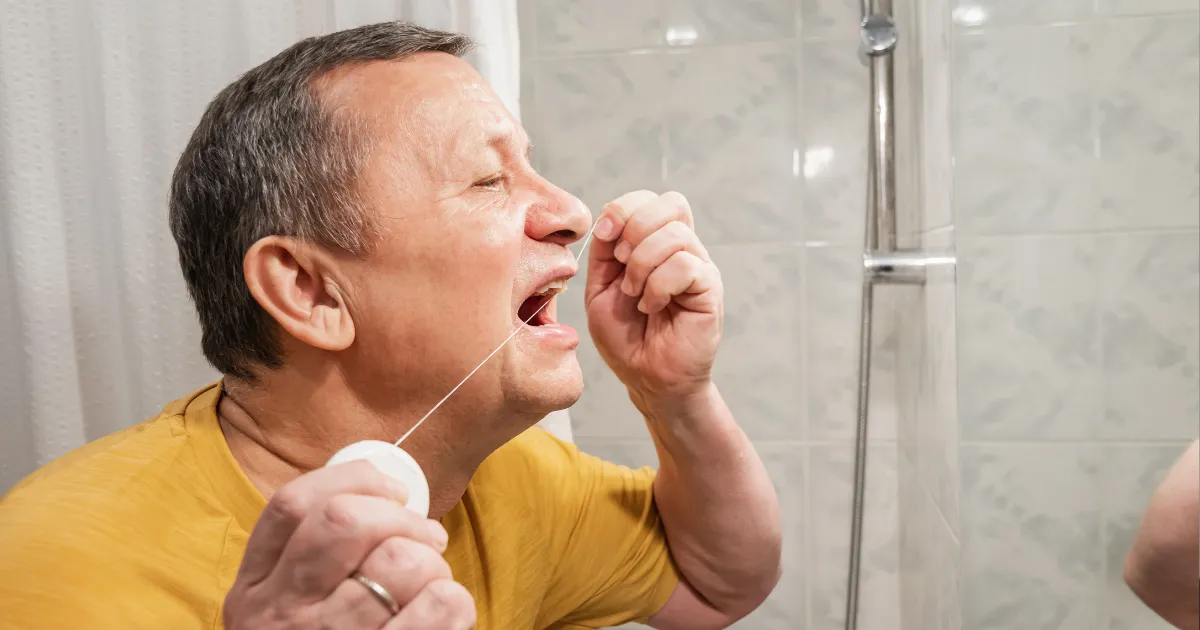
Man Flossing Teeth
By Dr. Lars Johnson / General Dentistry / 0 Comments

Flossing is one of those habits people feel guilty about. Most know they should do it. Fewer actually do it every day. If you have ever wondered whether daily flossing really matters or if brushing alone is enough, you are not alone. For many people looking for a dentist in Hoffman Estates, this question usually comes up after hearing mixed advice or noticing bleeding gums despite regular brushing.

Why daily flossing is becoming more relevant to dental patients

Dental care has shifted toward prevention rather than repair. People want to keep their natural teeth healthy for as long as possible, and daily habits play a bigger role than most realize. Brushing technology has improved, but toothbrushes still cannot reach every surface of every tooth.

At the same time, diets have changed. Sticky foods, frequent snacking, and sugary drinks increase the amount of debris that settles between teeth. These areas are exactly where flossing matters most. As patients become more informed about gum health and inflammation, flossing has moved from optional advice to a core part of long term oral care.

What most people misunderstand or overlook about flossing

The biggest misconception is that flossing is only about removing food you can feel. In reality, flossing targets plaque, a sticky film of bacteria that builds up between teeth and along the gumline. You often cannot feel it, but it causes most gum problems.

Another misunderstanding is thinking occasional flossing provides the same benefit as daily flossing. Plaque begins to harden into tartar within a short period of time. Once that happens, flossing alone cannot remove it. Daily disruption is what keeps plaque from turning into something more damaging.

Many people also stop flossing when their gums bleed, assuming it means they are doing harm. In most cases, bleeding is a sign that flossing is needed more consistently, not less. Healthy gums usually bleed less over time with regular care.

How flossing affects comfort, outcomes, and long term oral health

From a comfort standpoint, flossing helps prevent gum inflammation that can lead to soreness, swelling, and sensitivity. Inflamed gums pull away from teeth, creating pockets where bacteria thrive. That process is often painless at first, which makes it easy to miss.

Long term outcomes are where flossing really shows its value. Gum disease is one of the leading causes of tooth loss in adults, and it often begins silently between teeth. Daily flossing helps protect the bone and tissue that support your teeth, not just the enamel you see.

Flossing also affects breath and overall cleanliness. Bacteria trapped between teeth produce odors that brushing alone does not address. Many patients are surprised how much fresher their mouth feels once flossing becomes routine.

The role of a dentist in Hoffman Estates when it comes to flossing habits

A dentist in Hoffman Estates can help determine whether your flossing technique and tools are actually effective. Not all flossing methods work the same for every mouth. Tooth spacing, restorations, and gum health all influence what works best.

Some patients benefit from traditional floss. Others do better with floss picks, interdental brushes, or water flossers. The goal is not perfection. The goal is consistent cleaning where your toothbrush cannot reach.

A thoughtful dental visit also helps identify areas that are especially prone to buildup so flossing can be more targeted rather than frustrating.

What this means for someone choosing a dentist in Hoffman Estates

If you are unsure whether daily flossing is necessary for you, choosing a dentist in Hoffman Estates who explains the why behind recommendations matters. Advice feels different when it is tailored to your mouth rather than given as a rule.

At Forest Edge Dental, flossing is discussed as part of a bigger picture of oral health. Patients are guided on how flossing fits into their routine in a realistic way. That approach helps habits stick instead of becoming another source of guilt.

Patients often feel relieved learning that consistency matters more than technique perfection and that small improvements can lead to meaningful results over time.

Final takeaway and next step

So, do you need to floss daily. For most people, yes. Daily flossing plays a key role in protecting gums, preventing buildup between teeth, and supporting long term oral health. It is less about doing everything right and more about doing something consistently.

If you have questions about flossing or want guidance specific to your smile, scheduling a visit with Forest Edge Dental in Hoffman Estates is a simple next step toward clearer answers and healthier habits.

Man Drinking Coffee
By Dr. Lars Johnson / General Dentistry / 0 Comments

Coffee is part of daily life for a lot of people. Morning routines, work breaks, long conversations. Over time, though, many patients start to notice subtle changes in their smile and wonder if their habit is to blame. For anyone looking for a dentist in Hoffman Estates, the question of whether coffee stains teeth usually comes up before discoloration feels severe, which is exactly the right time to ask.

Why coffee stains on teeth are becoming more relevant to dental patients

Coffee consumption has increased, not just in volume but in frequency throughout the day. Sipping coffee over long stretches exposes teeth to staining compounds repeatedly, rather than all at once. Add in darker roasts, specialty drinks, and acidic additives, and the impact becomes more noticeable.

Another factor is expectation. More people are investing in their smiles, whether through whitening, cosmetic care, or simply better daily hygiene. That makes even mild discoloration feel more obvious. Coffee stains may not signal poor oral health, but they can undermine confidence faster than people expect.

What most people misunderstand or overlook about coffee and tooth stains

A common belief is that coffee stains teeth instantly or permanently. In reality, staining happens gradually. Coffee contains pigments that cling to microscopic imperfections in enamel. The rougher or more porous the enamel surface becomes over time, the easier it is for stains to settle in.

Another overlooked detail is that brushing harder does not prevent stains and can actually make them worse. Aggressive brushing wears enamel and exposes more surface area for pigments to attach. Many people also assume whitening toothpaste alone can reverse years of staining, which is rarely the case.

It is also easy to miss how habits interact. Coffee combined with dry mouth, infrequent cleanings, or acidic diets increases staining far more than coffee alone.

How coffee stains affect comfort, outcomes, and long term oral health

From a comfort standpoint, stains themselves do not usually cause pain. The issue is what they signal. Staining often reflects enamel wear or surface changes that can make teeth more sensitive over time.

Aesthetic outcomes matter too. Surface stains are easier to address early, often with professional cleanings or simple adjustments to habits. Deeper discoloration becomes harder to lift and may require more involved cosmetic solutions.

Long term, repeated staining can mask other changes in tooth color that might otherwise draw attention to enamel thinning or early decay. When everything looks uniformly darkened, subtle warning signs are easier to miss.

The role of a dentist in Hoffman Estates when evaluating coffee related stains

A dentist in Hoffman Estates can determine whether discoloration is purely surface staining or something happening within the tooth structure. That distinction matters. External stains respond well to cleanings and whitening. Internal changes require a different approach.

A thoughtful evaluation also looks at how often you drink coffee, how you drink it, and what happens afterward. Small changes like timing, rinsing, or pairing habits can significantly reduce staining without asking you to give up coffee altogether.

What this means for someone choosing a dentist in Hoffman Estates

If coffee stains are bothering you, choosing a dentist in Hoffman Estates who explains your options clearly makes a difference. Not every stain needs whitening. Not every smile needs treatment. Understanding what is actually happening allows you to choose solutions that fit your goals.

At Forest Edge Dental, the emphasis is on patient understanding and realistic expectations. Coffee stains are discussed in context, not treated as a flaw. That approach helps patients protect their teeth while feeling confident about their choices.

Patients often feel relieved knowing whether discoloration is cosmetic, preventable, or something to keep an eye on over time.

Final takeaway and next step

So, can coffee stain teeth. Yes, it can. But how much, how fast, and how noticeable it becomes depends on enamel health, habits, and care over time.

If you are noticing changes in your smile and want clear guidance, scheduling a visit with Forest Edge Dental in Hoffman Estates is a simple next step to understand your options and keep your teeth looking their best long term.